Hel Peninsula in Poland: Your Ultimate Travel Guide

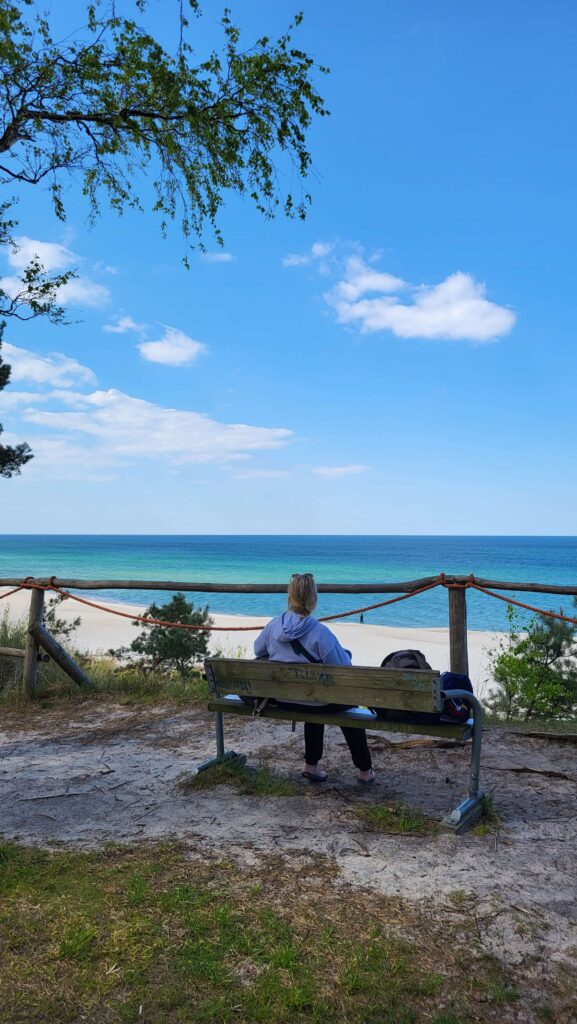
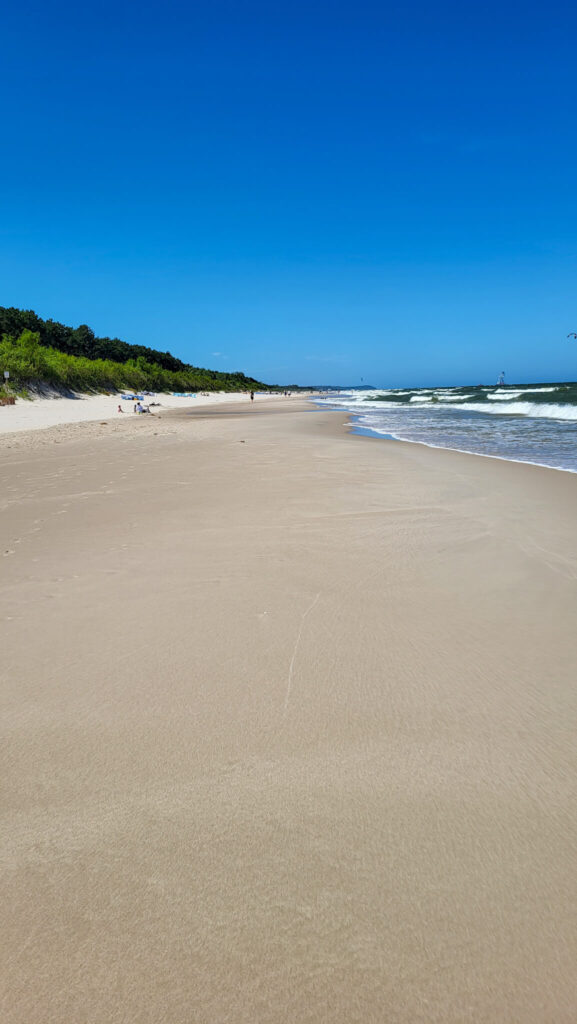
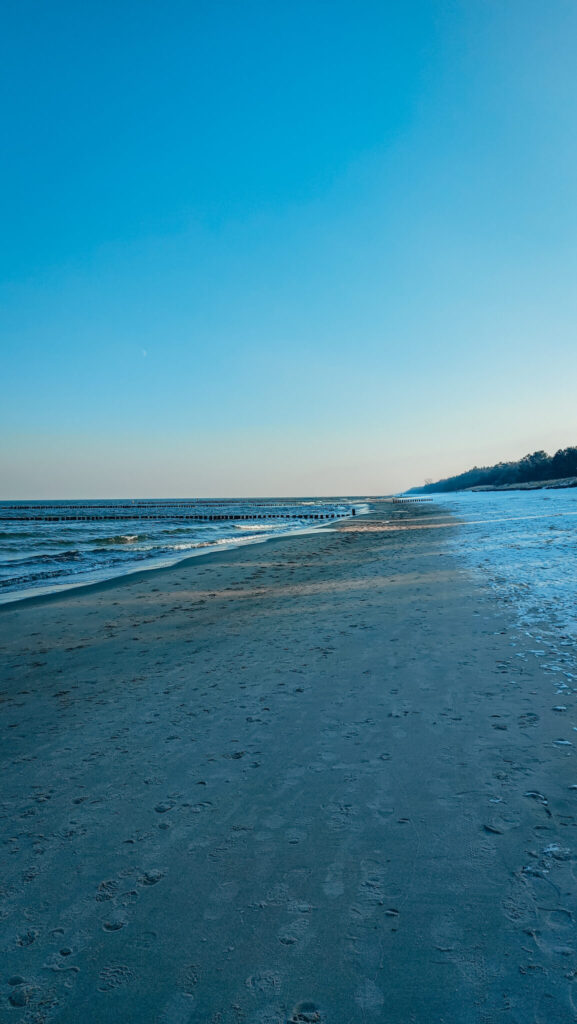
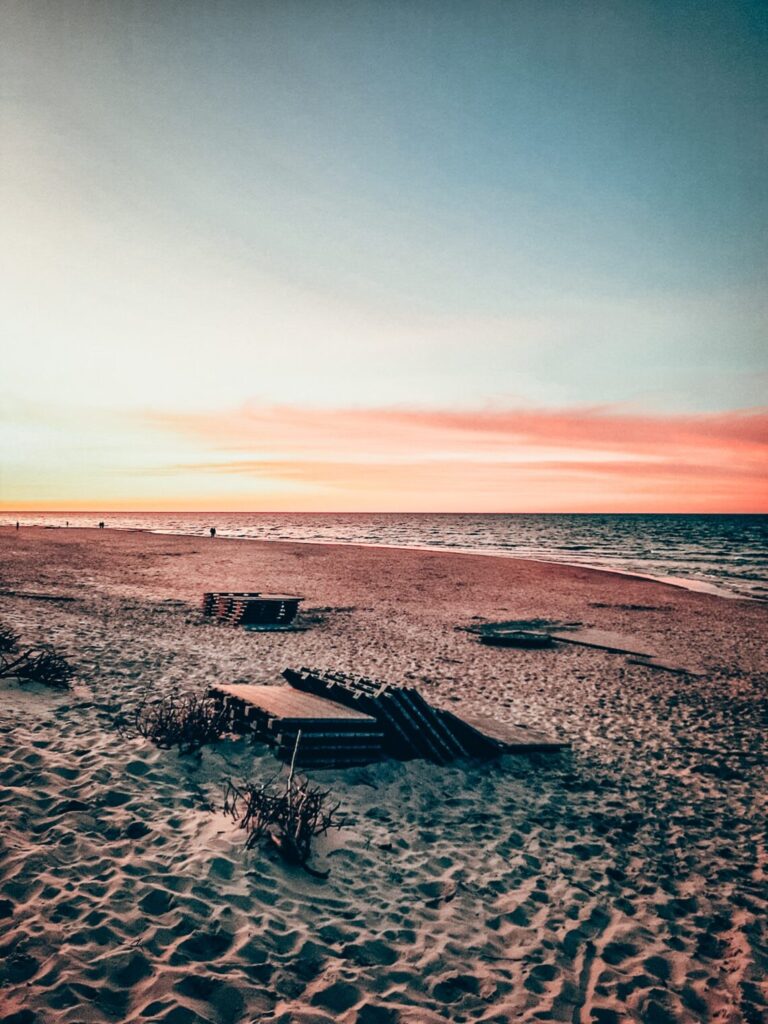
Beaches on the Hel Peninsula in Poland regularly appear in the ‘Best Beaches in Europe’ rankings. It’s not surprising, and it’s not an accident. 35 km of golden wide sandy beaches cannot be unnoticed.
But Hel Peninsula is more than that. It has an interesting history and culture and a very special vibe. Don’t be discouraged by its name; it’s rather the opposite, believe me.
At least for me Hel Peninsula is a small paradise, and definitely it’s my ‘happy place’. I’m lucky to live close enough to visit it often; I live in Gdynia, the start point for trains to the Peninsula, and it takes around 1 hour to get there. So sometimes I visit it even for one day, as it’s best place to relax and unwind. Sometimes I stay for a longer visit, so I have my favourite hotels there which I will tell you about, too. Last year, I also walked through the whole Hel Peninsula visiting every town on the way.
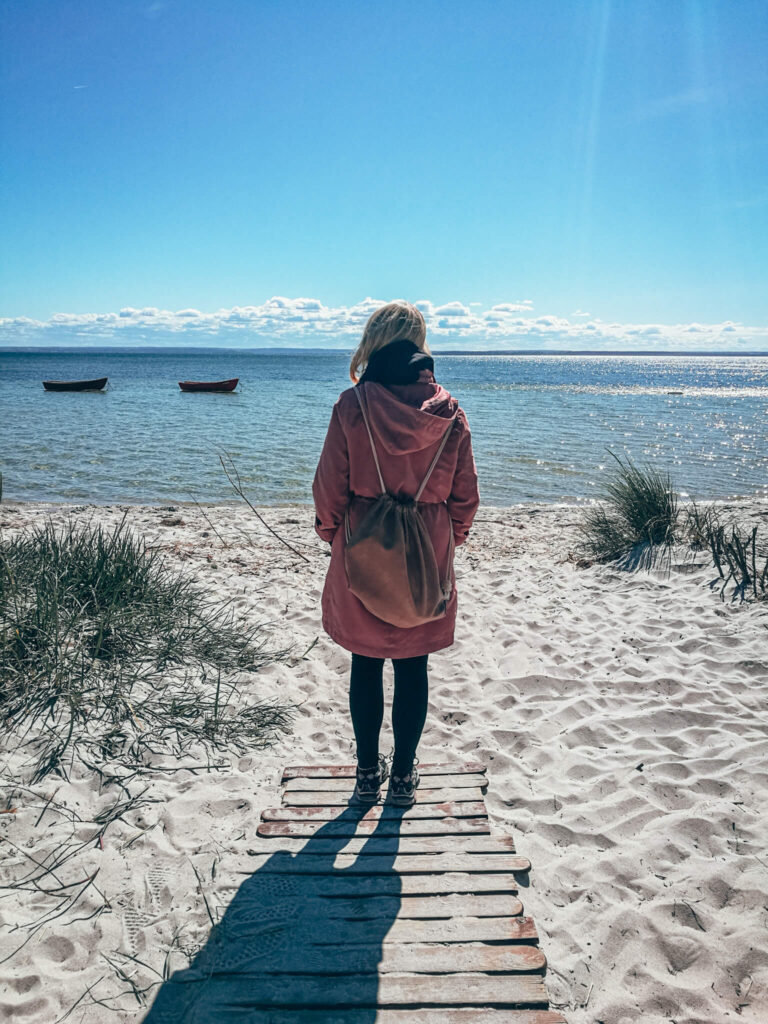
Although there are some monuments and other attractions, particularly in the towns of Jastarnia and Hel, the Hel Peninsula is primarily a place to peacefully rest. To lay or walk at the beach, to walk in the forest, to bike, and to do water sports. If you only have a little bit more time during your visit to Gdańsk and Tricity, add it to your itinerary.
Let me tell you more about the Peninsula.
A few words about Hel Peninsula
Hel: Name explanation
Firstly, a small name explanation, as I know it can be a bit misleading. Hel is the name of two places:
Hel Peninsula, which is 35-kilimetre-long Peninsula with a few towns.
But also, Hel is the name of one town on the Peninsula, the one ‘at the end’.
So you should differentiate if you actually want to go to the Peninsula to any of the towns or to town Hel itself.
Town Hel has a lot to offer for tourists; it’s where the ferry arrives, and it’s the most known. However, in this post, I want to show you all the towns along the Peninsula, as all of them are worth a visit.
Coming back to the name. Where does the name Hel actually come from? In old Polish, it meant ‘headland’. Probably, according to researchers, the word has roots in German languages.
Where is Hel? A bit of geography
Hel Peninsula lies in the northern part of Poland, at the Baltic Sea. It’s in the Pomerania region; it’s close to Gdańsk (and Gdynia and Sopot cities). So if you are visiting Gdańsk or the whole Tricity, it’s very easy to go to the Peninsula.
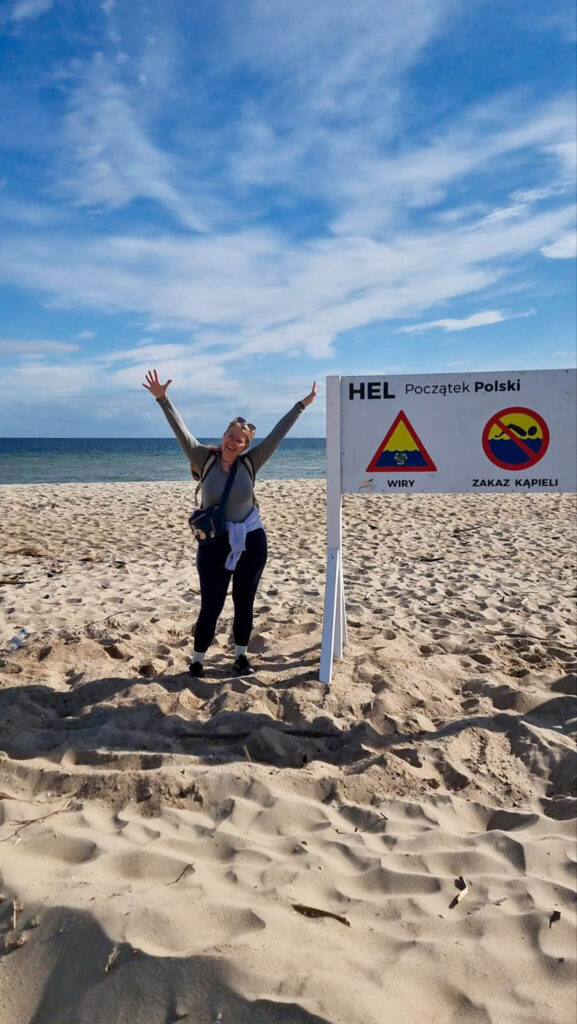
If you look at the map, Hel has an interesting shape (like a scythe). At the end of it, on the beach, there is the point called ‘beginning of Poland’.
Hel is surrounded by the waters of the Baltic Sea. From the north side, it’s ‘open sea’; from the south, it’s the water of Pucka Bay (Zatoka Pucka).
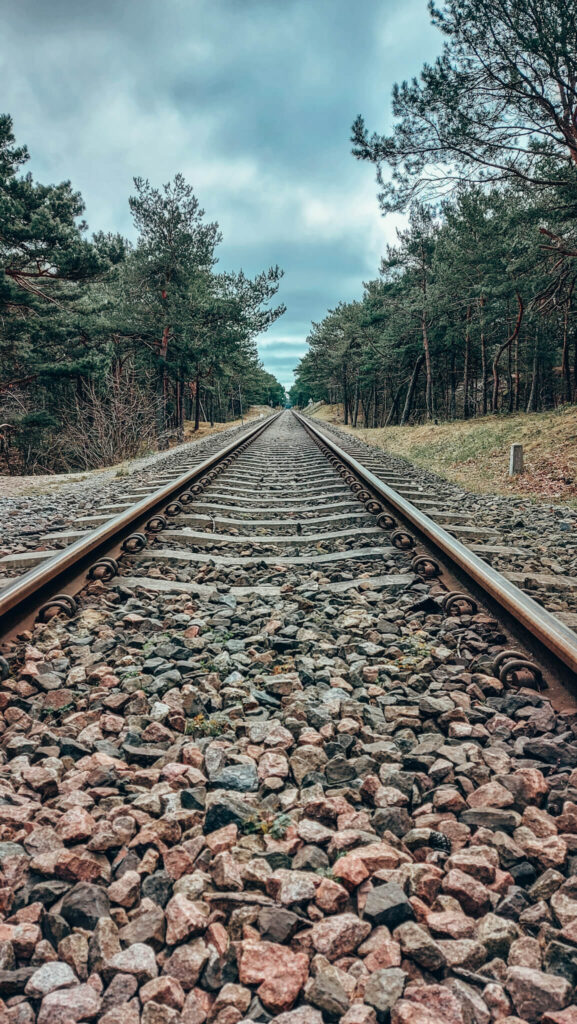
What’s so special about Hel is its width. It’s from 3 km in town Hel to 300m at the narrowest points around Chałupy and Kuźnica. Few sources talk even about the 150 m width at the narrowest point. So yes, there are places where, in less than 5 minutes, you can walk from one coast to another. From the beach on the open sea to the beach on the bay. And during this short walk, you walk through the forest. This is especially visible in towns like Chałupy or Kuźnica: there is a beach, a piece of forest, a railway track, a road with houses, another beach, and that’s basically it. The further you go, the land is wider, up to 3 km.
A bit of History and Culture
Hel town was first mentioned in the 12th century, in Danish documents. The town comes from Old Hel, which was destroyed by fire and flooded by the bay’s waters. Hel got city rights in the 13th century, and in the 16th Polish king gave it to Gdańsk. Since the end of the 18th century Hel was incorporated into Prussia. It was given back to reborn Poland in 1918. This is when railways were built; in 1922, the first passenger train went.
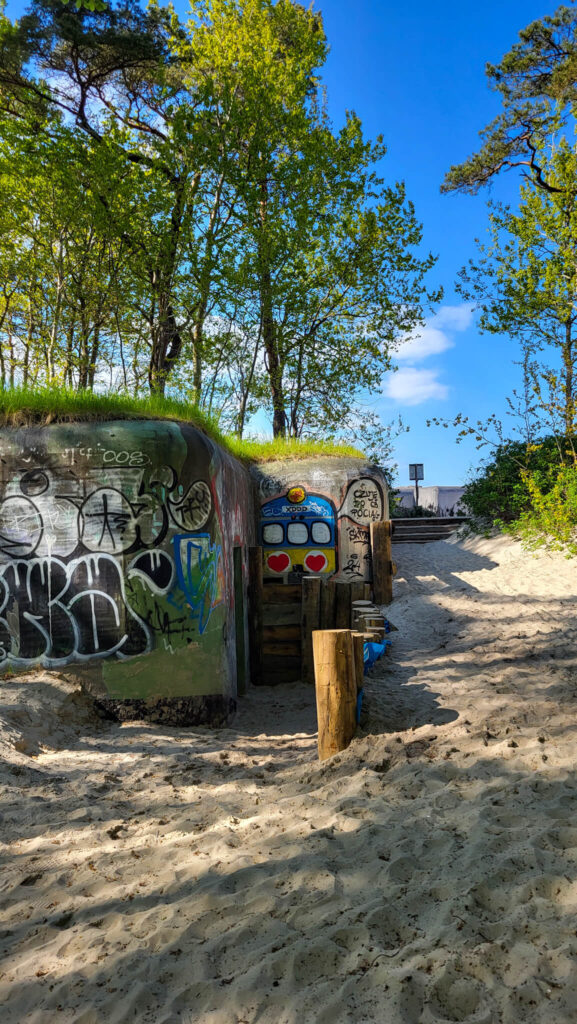
Because of its strategic location, it became an important part of the country. In 1931, a war port was built in Hel (while a fishing port was built at the end of the 19th century) and the whole region became a fortified area. Parts were military areas until recent years. The area is now fully open for visitors, and many of these old military places become tourist attractions.
Other towns on the Peninsula were first mentioned around the 16th and 17th centuries, mostly as fishing villages.
Many inhabitants of the peninsula are Kashubians, who take care of their traditions. All this makes Hel even more interesting. In addition to amazing views and modern touristic infrastructure, you can find here military monuments, a fisherman village atmosphere, and museums.
Hel Peninsula Practical Information
When is the best time to visit Hel
Hel Peninsula is worth visiting any time of the year. Obviously, during the summer, you can use it the most; it’s also the most lively. Peninsula is a very popular holiday destination among Polish (and not only) tourists, so in the summer it’s just very busy. For me- too busy, and I honestly avoid visiting Hel in July and August.
I like it the most in May, the first half of June and September. These are also months I would recommend. The weather is usually good then.It’s still quite empty and calm at the Peninsula, but already many places, like restaurants, open.
It’s also a great place in the autumn and winter, especially if you like calm places with a lot of space and nature. Likewise, it looks nice with snow as well. Just be ready for strong winds.
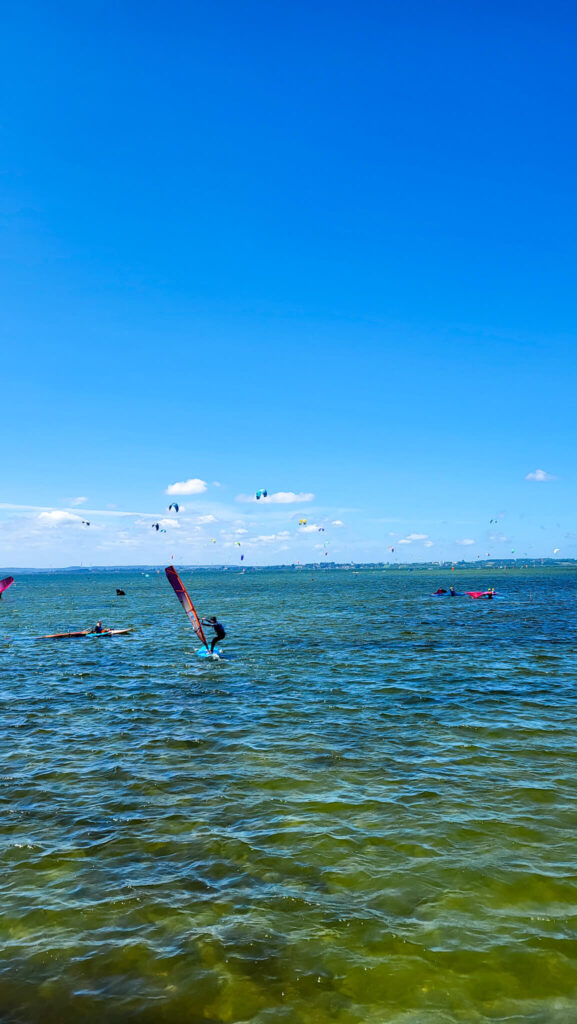
Because of geography and weather (winds), Hel is a quite famous spot for windsurfing and kitesurfing. You can see people doing it all year around, but obviously the main season lasts from May to September.
How to get to Hel Peninsula
There are a few options to get to the Peninsula. Especially in the high season, there are many connections. I realize I’m going into a lot of detail in this chapter, but I want you to have the best experience, hence so many details about crowds etc.
Car
You can go to the Peninsula by car. It’s just one road; no other alternatives. That’s why it can be really busy.
Note that especially during the high season and especially on summer weekends, the traffic and jams can be big. So if you go by car, try to do it during the week (the same about coming back), otherwise you can get really stuck.
That’s why I recommend taking a train or ferry. I don’t recommend bus, as first, you will be again dependent on the traffic, and secondly, it’s less straight-forward than the train.
Train
Regional Train
There are regional direct trains that start from Gdynia (if you are staying in Gdańsk or Sopot, you can come to Gdynia with SKM, ‘city train’ and just change the platform, it’s very easy). They stop in every town on the Peninsula, and the train route after Władysławowo is really nice and scenic. In the low season, there are around 10 trains per day; in the high season there are even around 20. It’s the way I always travel.
It takes around 55 minutes-1 hour to get to Kuźnica and Chałupy, 1 hour and 20 minutes to get to Jastarnia, and 1 hour 30-40 minutes to arrive to Hel.
You can check the schedule and buy tickets on the Polregio website.
Again, remember about crowds (in July and August mostly). Even if there are quite a few trains in the season, they are busy. Especially at the weekend, so try to go during the week.
Intercity trains (in summer)
During the summer, part of long-distance trains is prolonged and go all the way to Hel (normally they would finish the route in Gdynia).
It’s a good solution, as in this type of train you can reserve your seat and you can get in and get off in Gdańsk, too.
Here you can check the schedule and buy ticket.
Just small remark: don’t buy the train called EIP on this route. This type of train is a great solution for a longer trip like from Warsaw to Gdańsk, but going to Hel only you don’t need to overpay.
Anyway, I explained a lot about travelling by trains in Poland in this blog post.
Ferry
There is one more option to get to Hel during the season. You can take a ferry from Gdynia or Gdańsk. It’s a nice, comfortable, and more leisurely option. However, the ferry goes only to Hel town.
Ferries usually start in May and last until September; there are one or two ferries per day. Schedule changes, but details will be available here for Gdynia, and here for Gdansk.
Bike H4
There is a really nice bike path through the whole Peninsula, and you can actually even get from Gdynia by bike. Many people take bikes with them to the train, leave in the first towns, and cycle to Hel.
If you do it, see if for your train there is an option to buy a ‘bike ticket’, as places for bikes in trains are limited.
Where to stay in Hel
Generally speaking, in Hel, you can find many different options for accommodation. Although in the highest season, it’s still better to book in advance. It’s mostly private rooms and apartments to rent, campings, and smaller hotels.
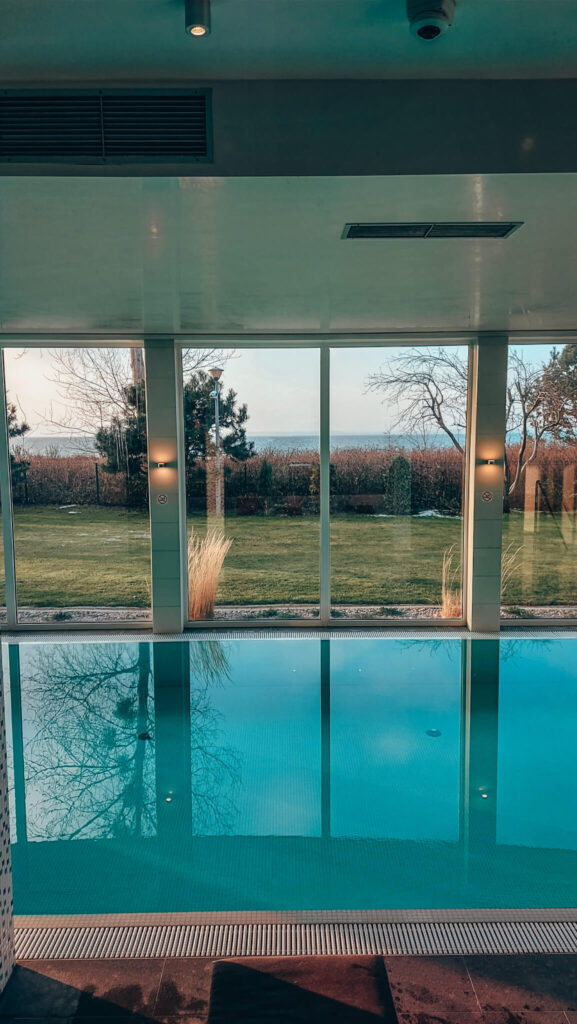
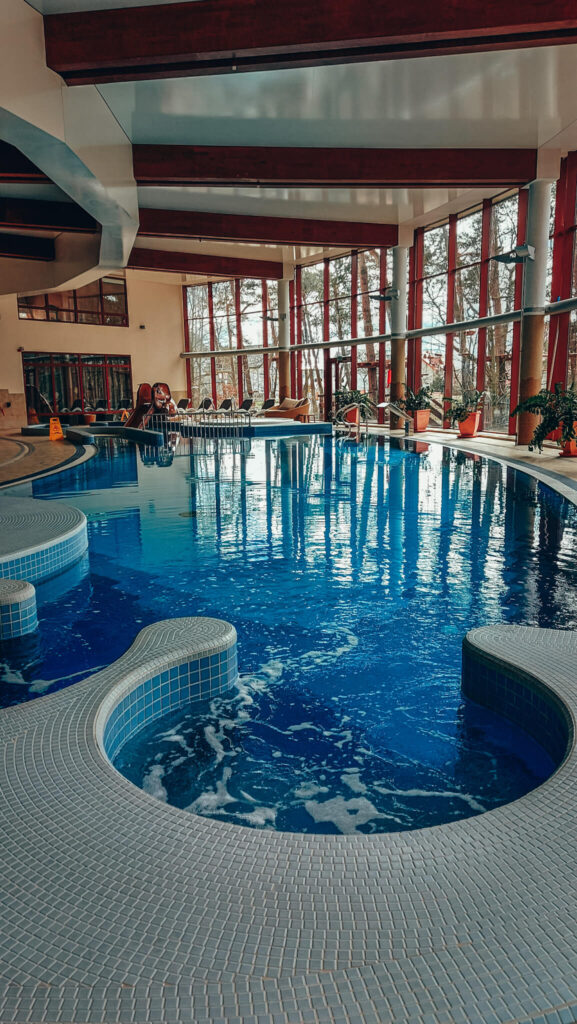
I have my two favourite hotels: Hotel Meridian in Chałupy and Hotel Zdrojowy in Jastarnia. Meridian is rather small and cosy hotel. It has a small, but nice swimming pool and spa and great views from parts of the rooms and restaurants. It’s located just next to the bay.
Zdrojowy is a big hotel, located just next to the open sea beach. It has bigger swimming pool and spa area and most of all, very good food. I love their breakfast. They serve a lot of local dishes, like different types of fish.
Other places worth looking at the Peninsula:
Private rooms and apartments:
Secondly, campings, which are kind of symbol of the Hel Peninsula:
Hotels:
What to see in Hel: Towns along the Hel Peninsula
Władysławowo
Władysławowo is the town just before the start; it’s not really on the Peninsula itself. However, it’s already surrounded by open sea and bay waters. I’ve added it here, as if you go to Hel, you will for sure hear about it and pass it by. It’s where the roundabout with traffic jams in season is and where many people leave the train. You can also find here many accommodations, especially ‘rooms to rent’.
Frankly speaking, I’m not really a fan of this town; it’s just too touristic and ‘plastic’. Although in past years, it has changed a bit, and there are nice places to see, for example, Sports Stars Avenue.
There is also an Olympic preparation centre for Polish sportsmen.
If you are looking for a recommended hotel and restaurant in Władysławowo, check out the Gwiazda Morza Hotel.
Now let’s look at all the towns along the Hel peninsula, starting from the one that is closest to the ‘mainland’ and its first stop of the train.
Chałupy
The first train stop is Chałupy village. It has around 400 inhabitants. In the past, it was known in Poland mainly because of the nudist beach, and this beach still exists.
At the moment, Chałupy is a popular kitesurfing spot, and you can feel there this type of atmosphere, especially during the season. There are schools and campings with surf vibe. They are really popular, so if that’s your vibe and place to stay, remember to book it in advance.
You can also just go to see how the camping looks and eat there. For example, in Chałupy 6 Camping there is a restaurant called Karma, where you can eat a nice breakfast.
If you are more into hotels, check out Hotel Meridian. It’s a small 4-stars hotel with a swimming pool, sauna, jacuzzi, and good breakfast. In summer, you can eat breakfast outside with a view for the bay, as the hotel is on the bay side.
Beaches on the open sea in Chałupy are absolutely beautiful, and you can reach them within a short walk from the bay side.
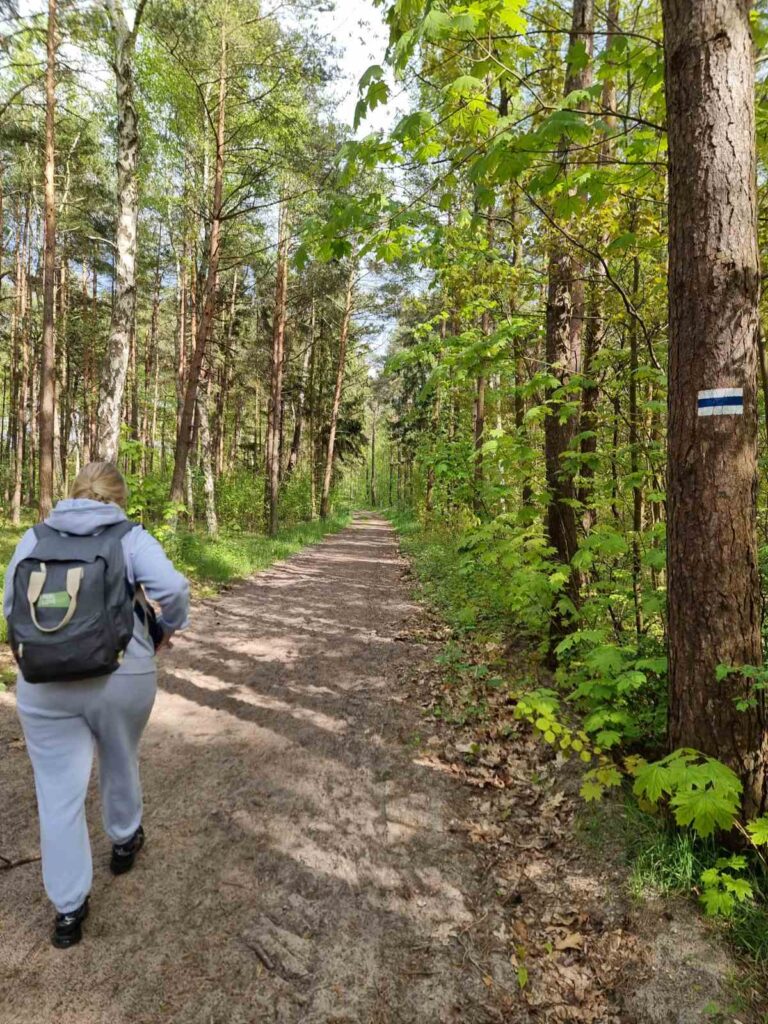
Chałupy village is one of my two favourite places on the Hel peninsula. What I do sometimes is walk from Chałupy to the next village, Kuźnica. It’s around a 5-kilometre walk, and you can walk on the beach, on the bay side, and through the forest. Later, you can walk back or take the train.
If you want to eat in Chałupy check out restaurant in Meridian, restaurant at the camping or pancake place just next to the railway station. It’s opened only in spring/summer season and you can eat there, except pancakes, Polish pierogi and placki.
Kuźnica
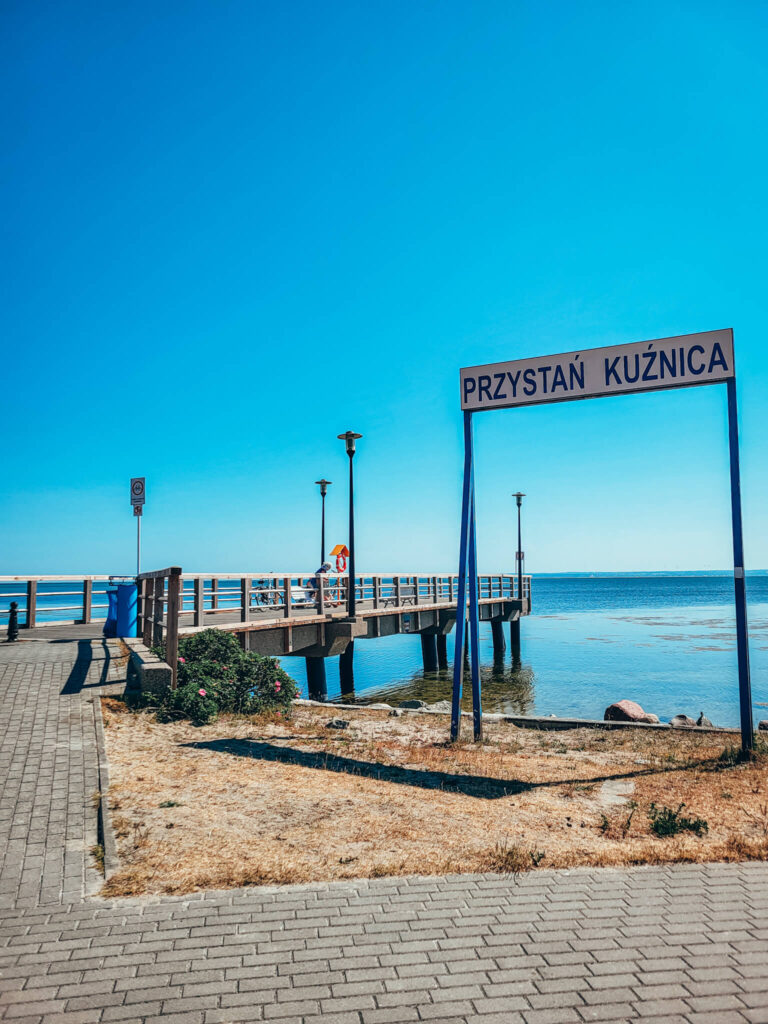
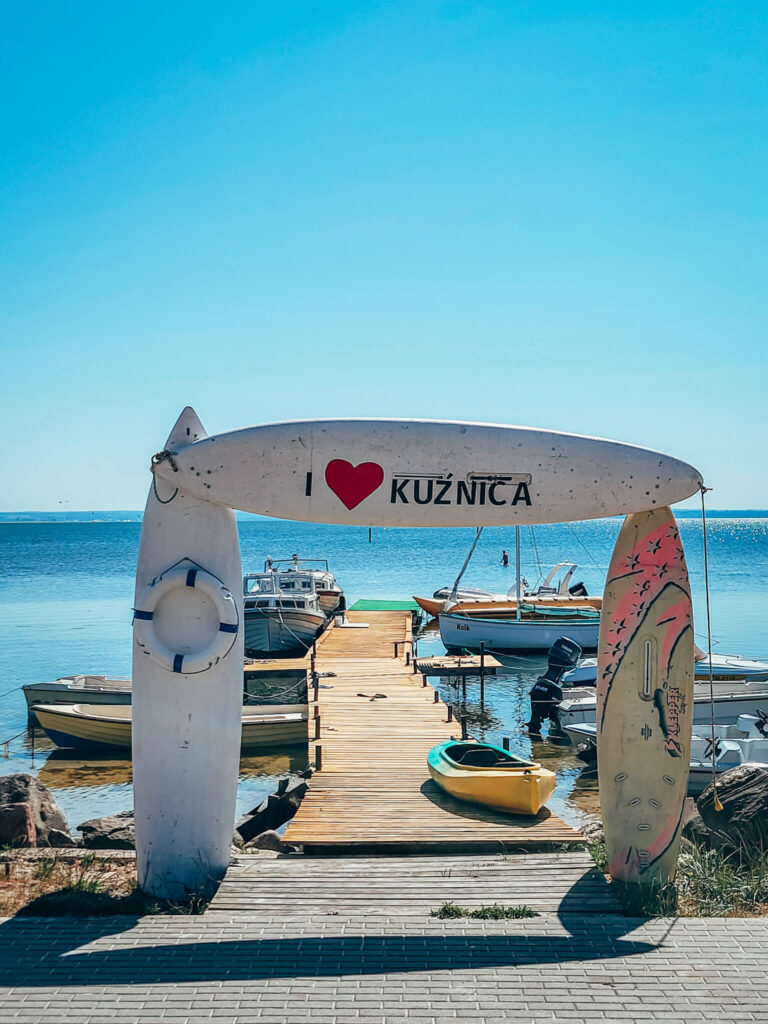
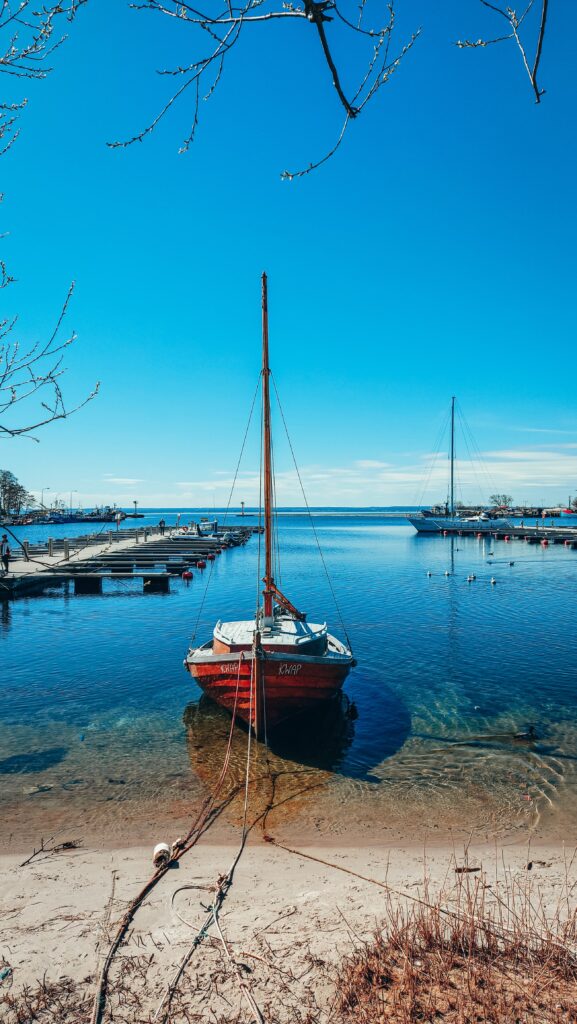
The next stop is Kuźnica, my absolutely favourite spot on the Peninsula. It also has this kitesurfing vibe and places, but also a calm fisherman village atmosphere with a small, colourful boats, and a small pier. Around Kuźnica, it’s the narrowest spot on the Peninsula.
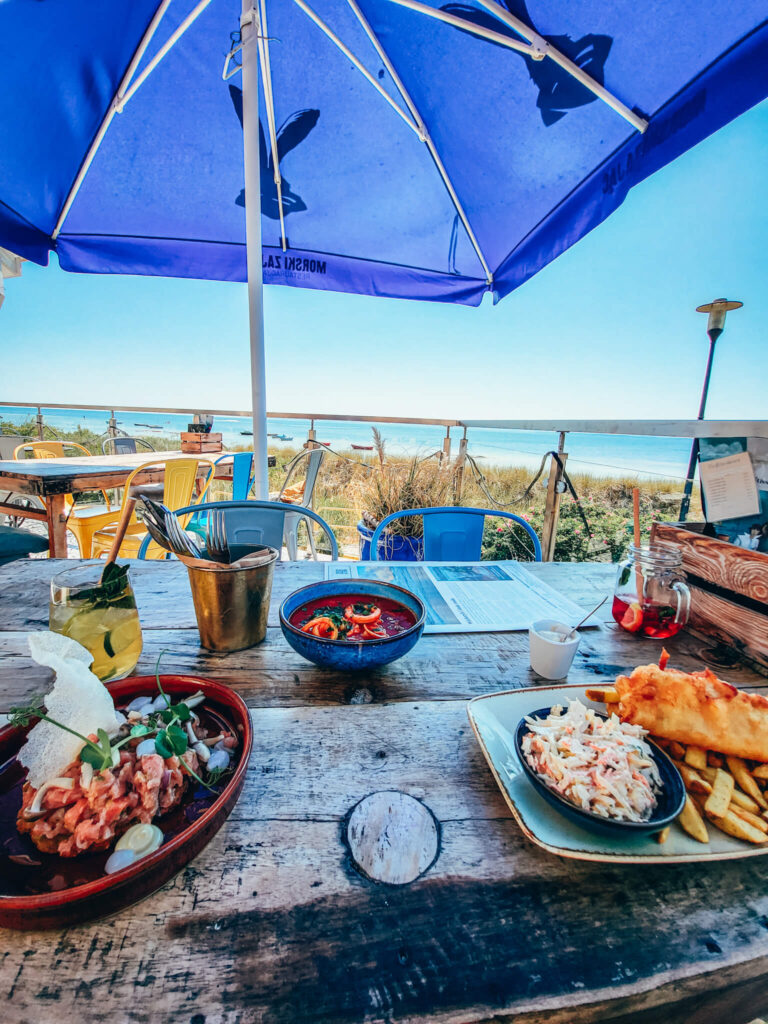
If you are visiting Kuźnica, go to the restaurant called Morski Zając. It’s very close to the train station (just across the street). It has an amazing terrace with a view of the bay, and really good food, especially seafood.
Kuźnica is small and calm; there is no bigger hotel, only apartments. For example, Fulinowo or Wiktoria Apartments.
There is one new spot in the village, which I have to mention as a sports lover. It’s a football pitch, a basketball pitch, and a playground for children; they are very close to the beach. It looks superb, so pass by during the walk, even if you will not use it.
Another spot that you need to see is Góra (Hill) Libek. It’s on the forest trial, just behind Kuźnica, walking towards Jastarnia. It’s the highest spot on dunes, looking like a hill. It’s amazing view point, for the beach, sea and water colour.
Both Chałupy and Kuźnica are around 1-hour train ride from Gdynia. So they are a great destination if you are planning a day trip.
Jastarnia
The next town is Jastarnia; it’s a bit further, around 8 km from Kuźnica, so you can say it’s somewhere in the middle of the Peninsula. It’s also bigger, with around 3,000 inhabitants. Here, the atmosphere is very ‘touristic’, but mostly in the peak season. In summer, you can expect stands with ‘everything and nothing’, ice cream, waffles places, not always very nice looking. It’s also rather busy, and you can find here a lot of private apartments and rooms to rent. It’s still a nice town with places to walk and views; you can also find nicer cafes and accommodations, but I would advise you to rather avoid it during July and August. In May or first half on June it has pleasant and laid-back atmosphere.
There are two train stops in Jastarnia: Jastarnia-Wczasy and Jastarnia, closer to the centre of town.
When it comes to food, I can recommend here restaurant called Mayo, which is opened all year around. Ate there recently and food was very tasty.
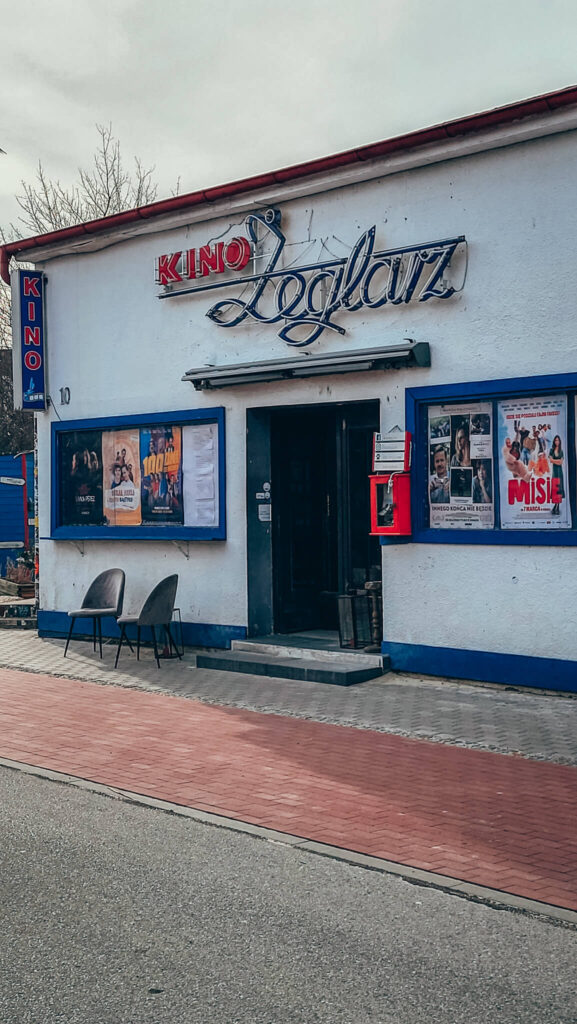
In Jastarnia, you will find also great small, arthouse cinema Kino Żeglarz. They show same new movies as in bigger cinemas. Maybe you can watch it, if movie has only Polish subtitles, but is in English. Even if you don’t want to watch, check out the building and atmospheric cafe inside.
If you are searching for a great accommodation, check out Hotel Dom Zdrojowy Resort&Spa, which is placed almost at the beach on the open sea. The location of the hotel is amazing, and the hotel itself is really nice. It has typical hotel rooms but also studios and flats with interesting décor. It has nice spa treatments, and a spa zone, and very good food.
I also stayed last year in Batial guesthouse in Jastarnia Wczasy, it was very nice and modern place close to the forest and beach.
Jurata
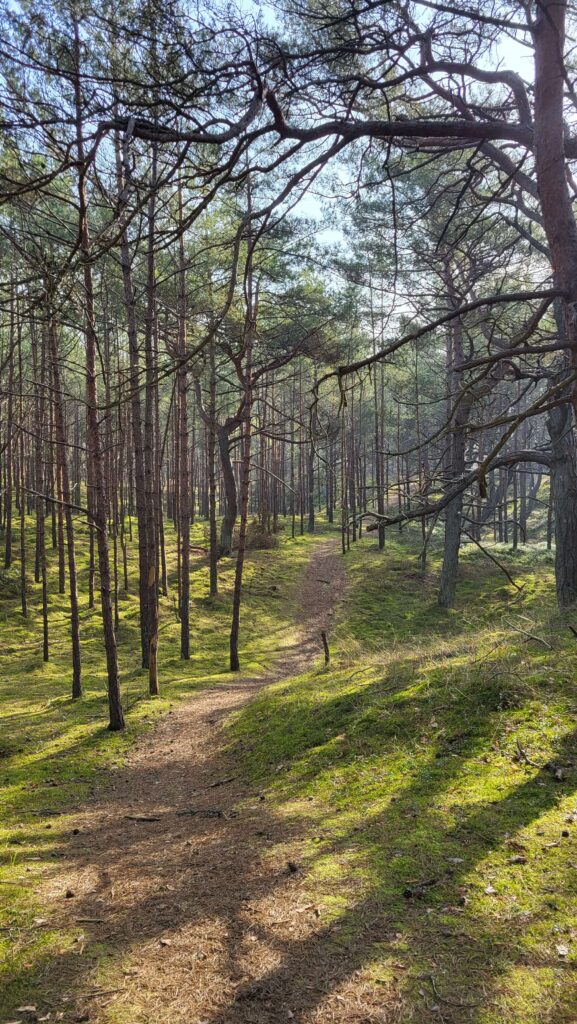
From Jastarnia, you can easily walk to the next village, Jurata; it’s only around 3 km. You can walk on the beach, on the bay side, on the road, and via forest paths. Both of these towns have nice pine forest with small hills, so it does look a bit dreamy.
Jurata is considered a calmer and more elegant place. There are many new buildings with apartments. But there are also bigger hotels. Probably the best well-known is Hotel Bryza Resort&Spa, which for years was this ‘high’ level hotel. I haven’t visited it, and for now it’s apparently quite outdated, but I can say for sure that it has a great location.
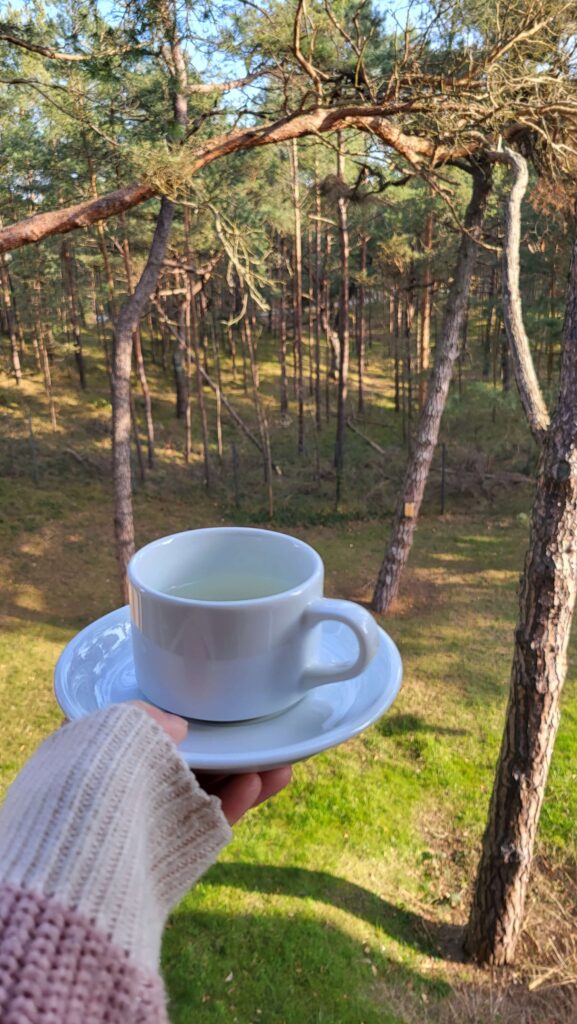
Another hotel with a great location (in the beautiful forest) is Best Western Hotel Jurata. Here I stayed. I didn’t fully like swimming pool and wellness facilities in this hotel, but really liked location. If you are planning to stay in this hotel, book a room with a forest view. It actually feels like you are staying and drinking coffee at balcony in the forest itself.
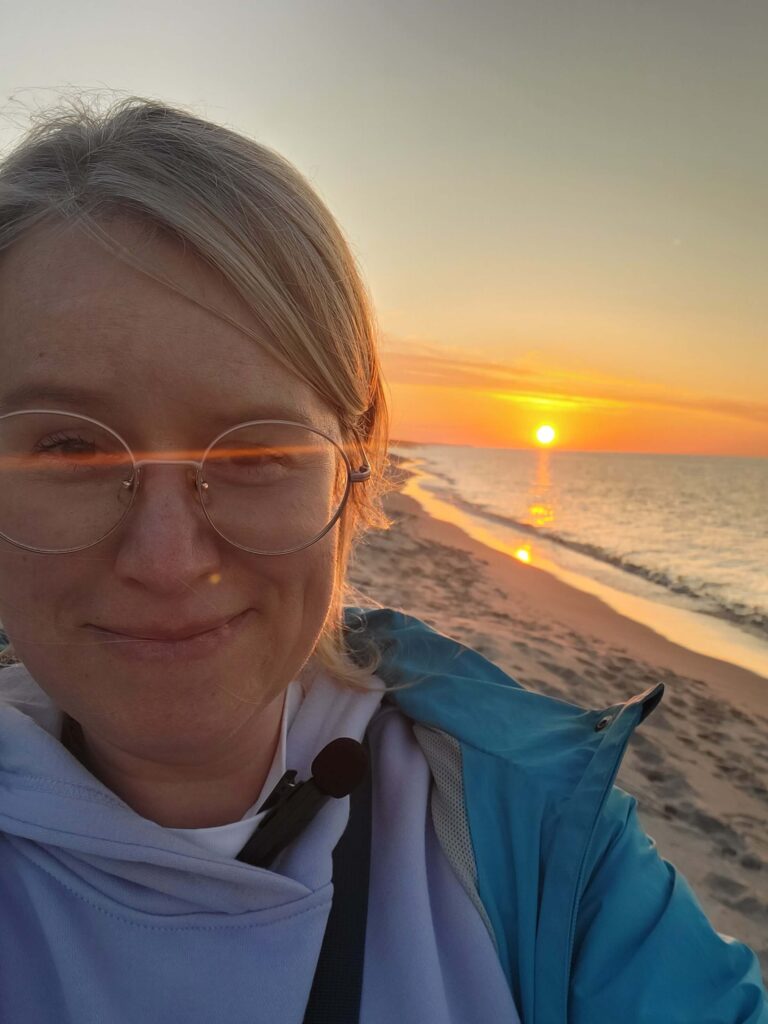
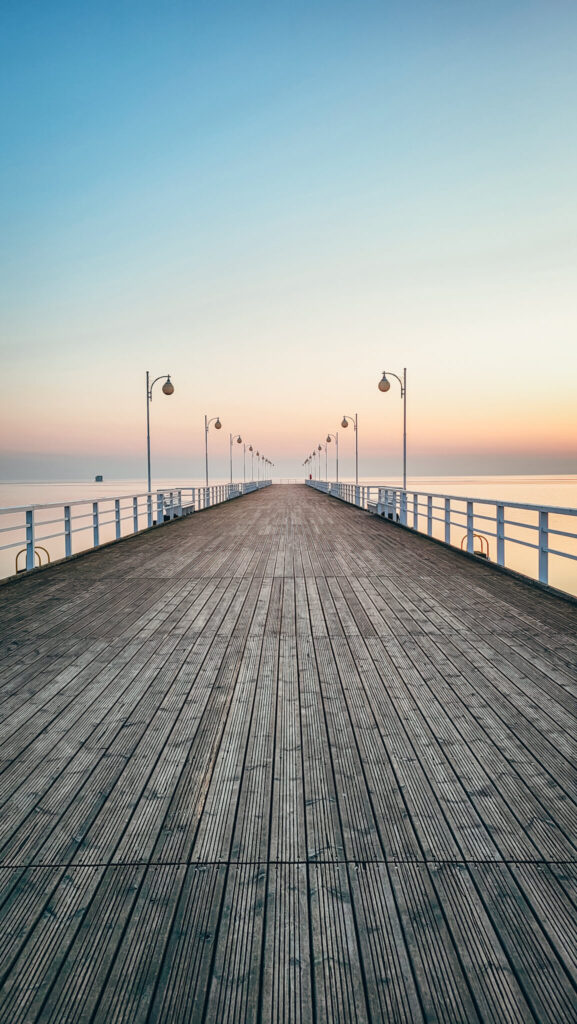
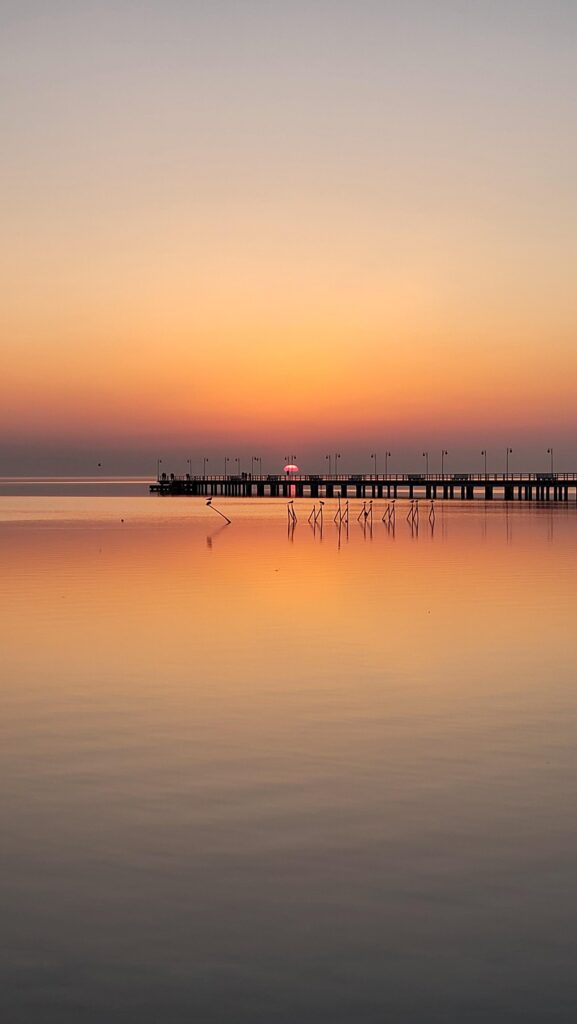
Jurata has interesting flora, and because of this, a quite special microclimate. It also has nice pier from which you can watch sunset (from August to April. From around April/May to July/August it’s better to watch sunset at the beach at the open sea).
From interesting facts: in Jurata town, there is even the summer residence of the Polish president.
Hel Town
And we are arriving at the end of peninsula. From Gdynia, it takes around 1 hour and 40 minutes. Now, we are in Hel town.
Similarly to Jastarnia, it can give quite a touristic feeling, and might be too busy (again, try it outside the peak season). However, there are really many interesting things to do that are worth visiting.
Firstly, Seal Sanctuary (in Polish: Fokarium). It’s a touristic attraction, but its main purpose is to protect seals and promote knowledge, and it belongs to the University of Gdańsk (Oceanography Institute). You can visit the sanctuary alone; you can also participate in the ‘shows’ with seals feeding and with a short lecture; it’s available daily, twice per day.
In Hel, you should also walk in the port and on the main street, where you can see houses from the 19th century. And go up the lighthouse to see a great view (opened May-September).
As said above, because Hel town was a military area in the past, you can see many post-military attractions, for example, bunkers. In a few of them there are exhibitions, like in this one.
There are also a few museums: Hel Museum, the Museum of Coastal Defence or the Hel Railways Museum. Museums open at the end of April; here you can check the details of the opening times of all parts of the Hel Museums Complex.
When it comes to accommodation, look at Hotel Hel or Hel Leśna, if you prefer apartments to rent.
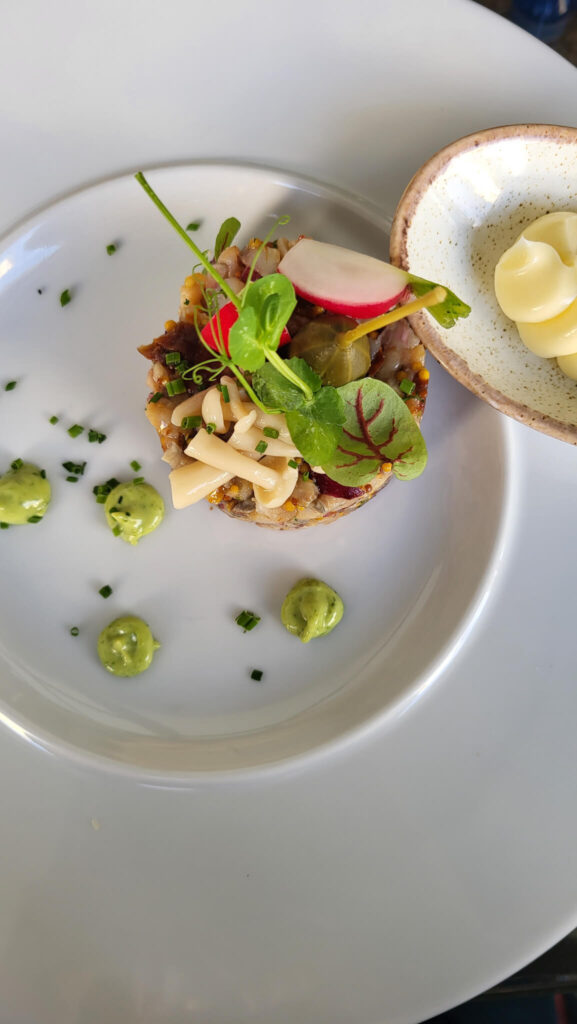
There are a lot of places to eat in Hel. One of the most well-known is Restaurant Kutter. I ate there the best herring (tartare) ever.
Commuting between towns
You can commute between the towns by the car or just by the train. It’s easy, as stations will always be in walkable distance in towns.
You can also walk between some towns, on the beach or in the forest, if you feel like a longer walk. Best parts for a nice walk are:
Jastarnia-Jurata (shortest)
Kuźnica-Jastarnia (longer, but gorgeous trial with Libek and views on the way)
Chałupy-Kuźnica (around 5 km walk).
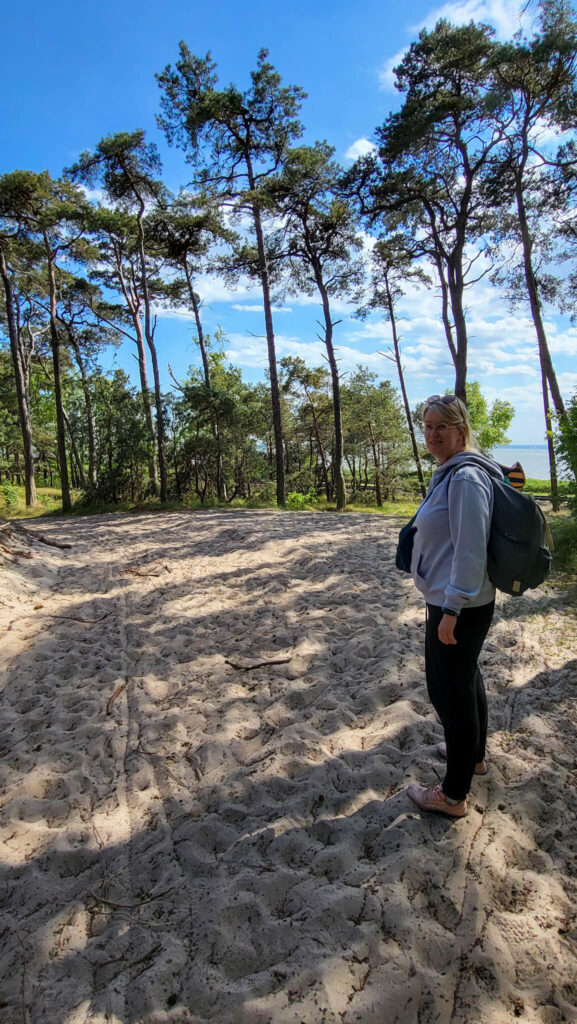
Last year I fulfilled my small dream (or maybe better to say challenge) and walked through the whole Peninsula. I started in Władysławowo and finished in Hel, totally at the end, at the beach at the tip. It was around 40 km walk, and it took me 3 days to complete and still have time to rest and enjoy. Hel is a great place for such longer or just partial walk between 2 towns. Just remember there is nothing between towns, no shops, bus stops etc. so if you decide to walk between places, take something to drink.
Travel to Hel Tips
Let me summarise some tips regarding your trip to the Hel Peninsula:
- If you prefer calmer holidays, try to avoid July and August (unless you like more ‘summer hassle’, touristic atmosphere, and when a lot is happening)
- May, June, and September are perfect for a visit (full season usually starts in the last week of June)
- In the high season, try to transfer to the Peninsula during the weekdays
- Between towns on the Peninsula, commute by train
- October and winter are not bad times either
- It’s a perfect place for you if you like nature, walks, or cycling
- It’s the best destination if you do or want to try wind and kitesurfing
- Pick up the accommodation according to your preferences for accommodation type and town
- Jastarnia and Hel are the most touristic (and also the biggest with the biggest amount of ‘things to do’)
- Hel is one of the best places to see Northern Lights in Poland. It doesn’t happen often, but if KP is around 6, you have chances (from September to April)
- Sunset: If you stay for a night, you need to see sunset, they are beautiful. From April/May to August it’s better to see sunset at the beach. From August to April, at the bay side
- The weather at the Polish seaside is always a surprise. It can be really warm or hot and sunny. But sometimes summer is not that great, and it can be rainy or colder.
For sure, take with you something warmer (jumper, light jacket) and be ready for strong winds
Hopefully this article has helped to organise your trip to the Hel Peninsula or convinced you to add it to your itinerary. If you love the seaside, it’s a place to be. Especially that Hel is really exceptional. I admit, I’m not very objective here, but I hear this from many foreign guests that are visiting Hel.
Here you find many more blog posts regarding Gdańsk and Tricity.
For example, check out where to stay in Gdynia.
