Pastries you need to try in Poland

Fat Thursday is coming! So I thought that it’s the best time to describe pastries which you have to try when visiting Poland.
Don’t worry if you are coming to Poland later; you can eat them regardless of the time of the year. Except for one type, which is made out of very seasonal fruit (more below).
It’s also very easy to buy all these pastries. Most of them are available in every bakery and cafe. Which you will find many of, especially in the most popular places like Cracow or Gdansk.
Ok, let’s get down to specifics so that you can eat them as soon as possible.
Fat Thursday tradition
Fat Thursday (‘Tłusty czwartek’) has its roots even in ancient Rome. But when looking at tradition in Poland, it comes from the 16th century. Through centuries it has obviously evolved, but the basics have stayed. It’s the day to eat a lot of sweet and fat before Lent starts. Why? In the past, many people had a fast during Lent (for example, by not eating sweets). At the moment, it’s not that widespread, but it usually depends on religion, and it’s very personal.
Anyway, Fat Thursday is a mobile day, and it’s always on the Thursday before Ash Wednesday. The concept is quite similar to Shrove Tuesday in the UK or Fat Tuesday in Sweden, when semla is eaten.
In 2026, Fat Thursday will take place on February 12th.
If you enter Polish social media or turn on the tv on this day, you will see how big it is. There will be pączki everywhere. Don’t be surprised to see big lines in front of the most famous bakeries and pastry shops. In many places, you can also order your pączki before and pick them up on the day.
According to some beliefs, calories eaten on this day are not calculated. Also, eating pączek should bring you luck for the whole year.
The second thing that Poles eat during carnival and Fat Thursday are chrusciki (or faworki), in English called angel wings or crispy pastry ribbons. I actually prefer them and can recommend eating them from Sowa Confectionery. It’s confectionary originally from my hometown, Bydgoszcz, but now they have shops everywhere in Poland.
And really good chrusciki too!
Best Polish pastries
Hungry already? Let’s see what you should buy as a sweet snack in one of many bakeries.
Pączki
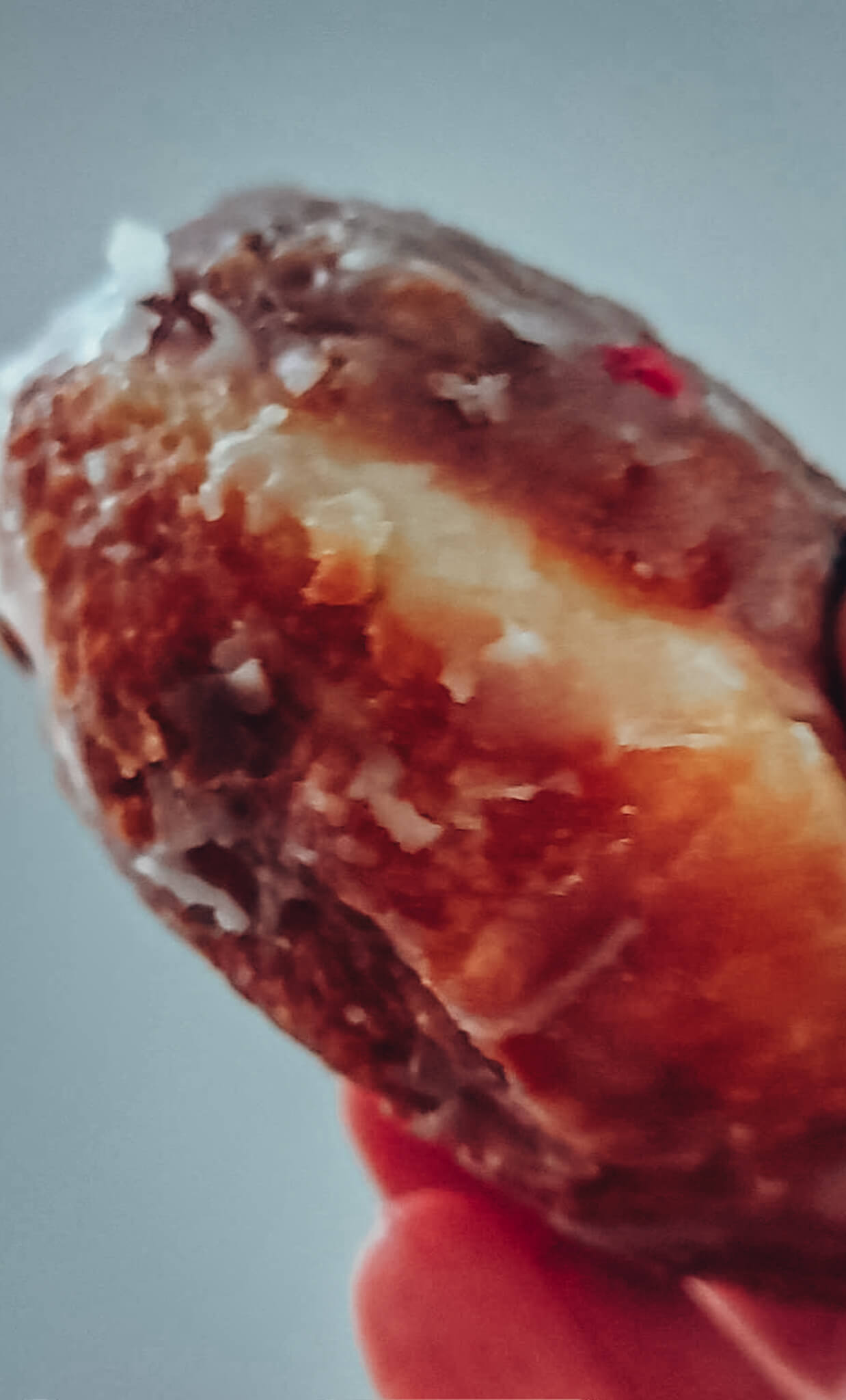
Starting from a star of Fat Thursday and generally, one of the most popular ‘things to eat’ when in Poland. The singular name is pączek; in plural pączki. We can translate it as doughnut. But they will not be the ring ones, though. A Polish doughnut will always be in a ball shape and filled.
Traditionally, it’s filled with a jam, like strawberry or rosehip marmalade. But currently, you can find many other variations of the filling: mango, chocolate, pistachio cream, and whatever else you feel like.
The Polish doughnut should be made out of yeast, wheat flavour, warm milk, eggs and, of course, sugar. Later on it is fried in deep oil, often with some frosting added on the top.
Well, it doesn’t sound the most healthy and dietetic, does it? But nowadays, you can also find variations like vegan, gluten-free or baked pączki for fewer calories. Such variations you can buy especially in the smaller, artisan bakeries.
You can also buy doughnuts in ‘pączkarnia’ (‘doughnut shop’). Yes, we have special shops that sell only pączki. One chain shop that you can find in many cities and that actually has quite good pączki is Dobra Pączkarnia.


Drożdzówka
Not sure if there could be more tough names to spell for foreigners. I don’t think so and was even wondering if I should add them (meaning drożdżówkas) to the list. But honestly, no list of Polish pastries would be complete without drożdżówka.
It can be translated just as ‘sweet bun’ or ‘sweet roll’, but the more exact name will be ‘the yeast bun’ (the Polish name comes exactly from drożdże-yeast).
It’s a sweet bun from yeast dough, usually in a round flat shape and with some fruit or custard with a crumble on the top. It’s quite simple but really good pastry, especially when it’s very fresh.
Fruits to add on the bun can be very different, but during the summer fruit season you will have the biggest choice.
Again, you will buy it in every bakery or even grocery shop.
Jagodzianka
Now it’s time to describe my favourite pastry. It’s also the most special, as it’s really seasonal. Every year we wait for them very impatiently, as it depends on the weather and forest’s mercy when fruit can be collected.
Jagodzianka, its name coming from jagody: blueberries.
So jagodzianka is a blueberry bun filled with a lot of fresh blueberries. On the top of the bun there should be frosting or crumble; I always buy the ones with crumble.
It’s best to eat when it’s fresh, and sometimes you can even stand in the line to get it, as it’s quite limited.
Jagodzianki are available around the second part of June and in July. It also depends on the region; usually in the north of Poland we have blueberries a bit later than in the southern parts.
Don’t miss it if you are visiting Poland around this time.
Again, you can find variations like vegan jagodzianki too, especially in these smaller artisan bakeries.
If you don’t want to eat pastry, but you want to try some traditional blueberry dish, you can also try dumplings with blueberries (pierogi z jagodami), famous during summer.
In bakeries and confectioneries in Poland you will find many other pastries, cakes and sweets, but that’s the topic for another post. When it comes to pastries, you will obviously also find croissants, cinnamon buns, etc. They are not originally Polish, but usually you can eat really good ones. I think it’s safe to say that we have very tasty baked goods in Poland.
I especially recommend some of these smaller independent places. They are usually more expensive, but the taste is worth it.
If you accidentally happen to visit Gdynia (next to Gdańsk), try Loav or Pokusa; you will not regret it.
Smacznego! Enjoy your pastry!
